Background
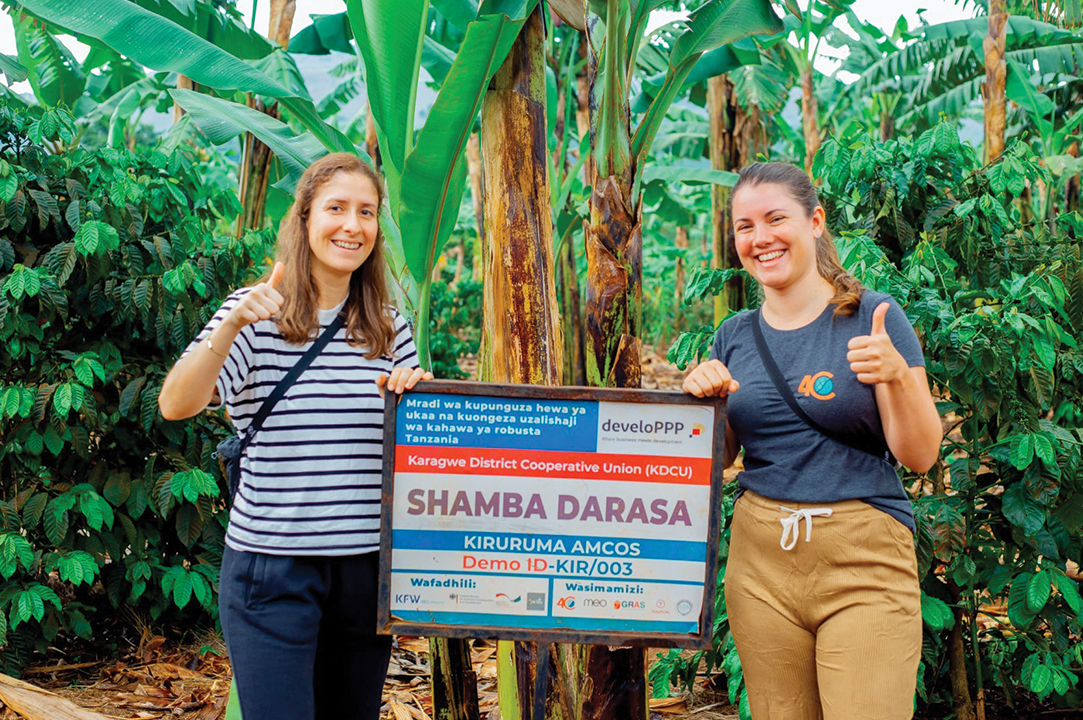
The “Climate-friendly Robusta coffee production reduces GHG emissions and strengthens climate resilience of smallholder producers” project was a collaborative initiative aimed at decreasing long-term greenhouse gas (GHG) emissions in JDE Peet’s Robusta coffee supply chain in Tanzania’s northwestern Karagwe and Kyerwa districts.
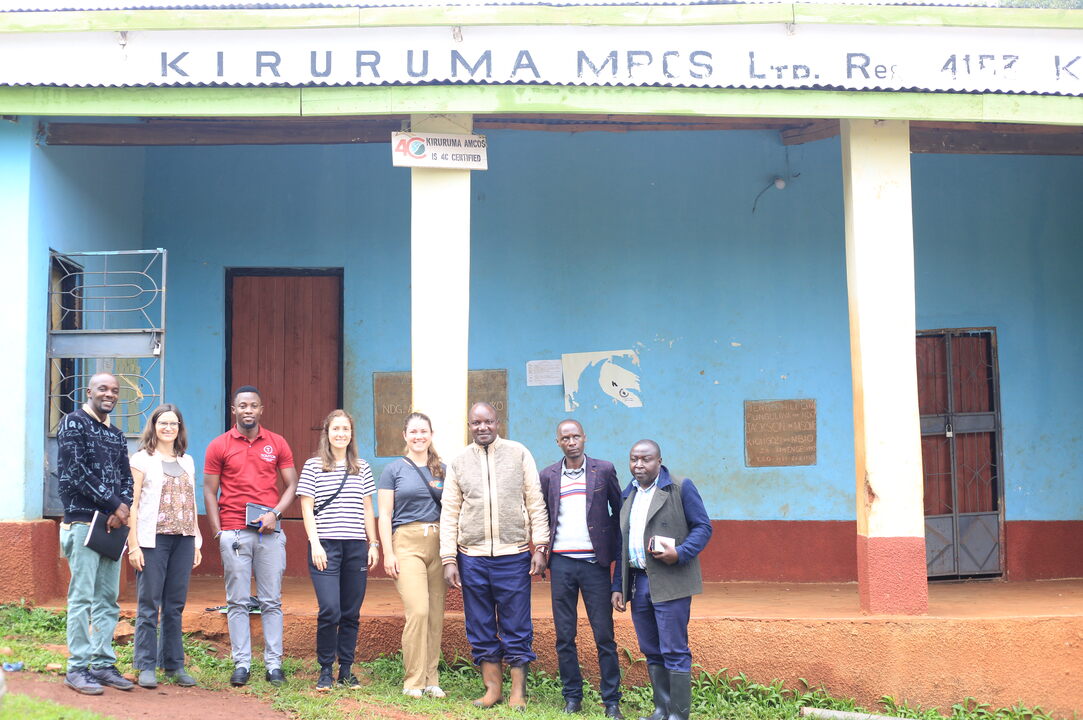
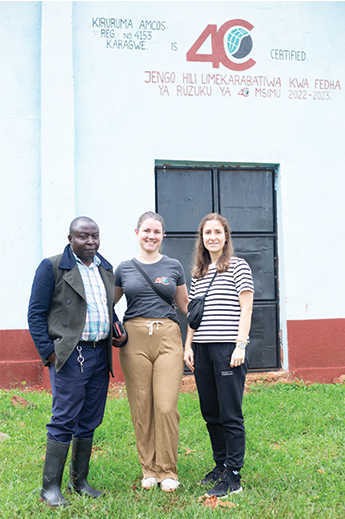
Over 7,000 smallholder farmers participated in the initiative between 2021 and 2024, organized through the Karagwe District Cooperative Union (KDCU). The project was funded by the German Development Bank (DEG) under the develoPPP programme and financially supported by JDE Peet’s. 4C Services managed the project, and Meo Carbon Solutions (MCS) and Global Risk Assessment Services (GRAS) led the implementation in collaboration with KDCU and international supply chain manager Touton.
The Challenge
Coffee farming provides a vital livelihood for millions of people in Tanzania. However, coffee farming and its supply chain significantly contribute to GHG emissions. In the north-western region of Kagera, the environmental impact is already visible: approximately 34,500 hectares of tree cover were lost between 2001–2019, resulting in nearly 6 million tonnes of CO₂ emissions, according to a 2024 Global Forest Watch report. At the time, smallholder farmers had limited access to reliable data and were largely unaware of how their farming practices contributed to GHG emissions. Closing this knowledge gap and addressing key emission drivers in the coffee supply chain is essential to achieving a more sustainable future.
Our Solutions
MCS supported climate mitigation in the coffee sector by introducing a structured approach to reducing GHG emissions. Key activities focused on measuring and assessing the carbon footprint of farming and processing operations, identifying core impact factors and applying targeted strategies through in-setting measures within the coffee value chain. The initiative also promoted market uptake of climate-friendly coffee, contributing to positive socio-environmental outcomes for smallholder farmers and their communities in Tanzania.
Our Approach
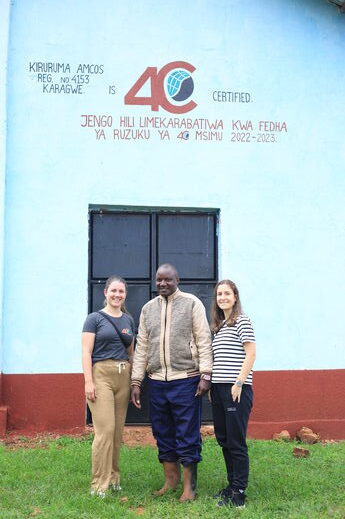
To address these challenges, MCS engaged stakeholders across the supply chain to identify key emission sources and implement targeted reduction strategies. This effort began with a comprehensive mapping of the Robusta coffee supply chain in Tanzania, covering all stages from farms to dry mills. To monitor GHG emissions over time, MCS developed a customised GHG calculator and organised training sessions for local data collectors, field officers and farmers to ensure accurate data collection and promote transparency. We established a baseline GHG calculation, and the project partners used it to develop an improvement plan with defined emission-reduction measures. MCS supported the development by consulting the client about the feasibility of the measures. In addition to emissions monitoring, the project focused on improving soil health and enhancing productivity through targeted trainings in Good Agricultural Practices (GAP), as well as preparing producers for the 4C carbon footprint certification scheme.
Before the project began, limited data existed on the carbon footprint of smallholder coffee farms in Tanzania, and farmers were largely unaware of how their practices contributed to national emissions. For example, farmers primarily transported the coffee to the next step in the supply chain by motorbike. Following a dedicated workshop provided by MCS and 4C with the Agricultural Marketing Cooperative Society and local farmers, a shared-vehicle system was established for transport. In addition, poor soil conditions, increasingly erratic rainfall patterns and inconsistent fertiliser use—with access to organic manure varying across clusters depending on local availability—resulted in low productivity and variable emissions per kg of coffee.
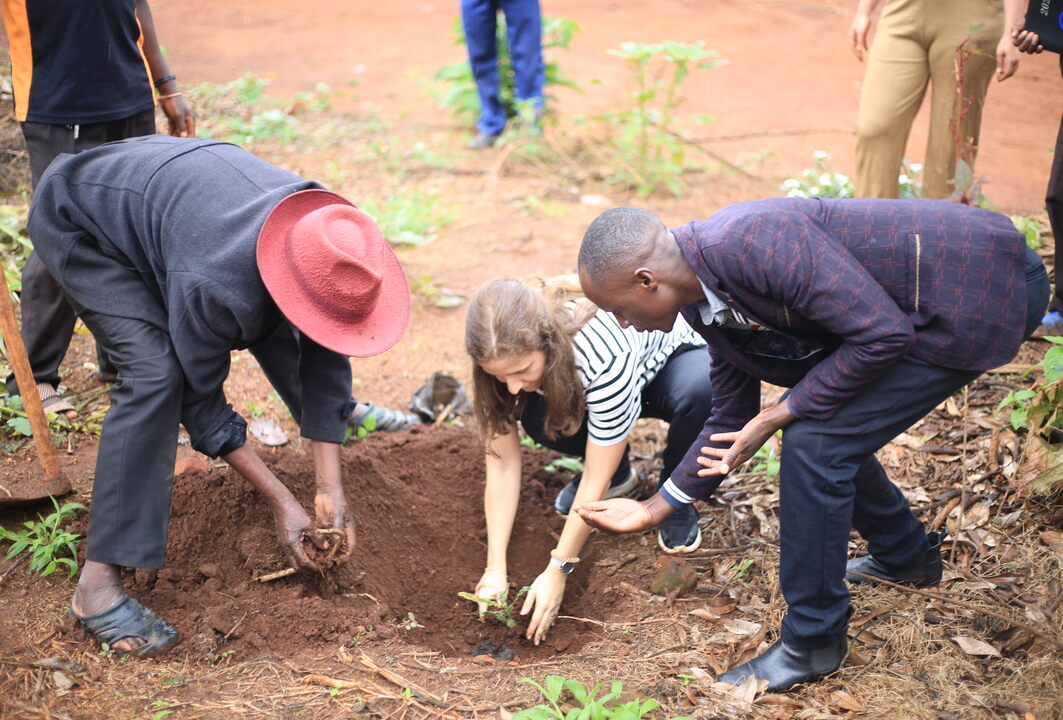
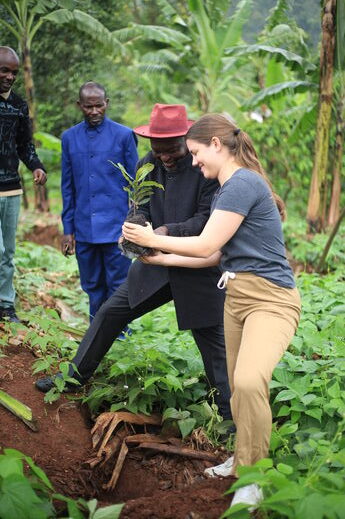
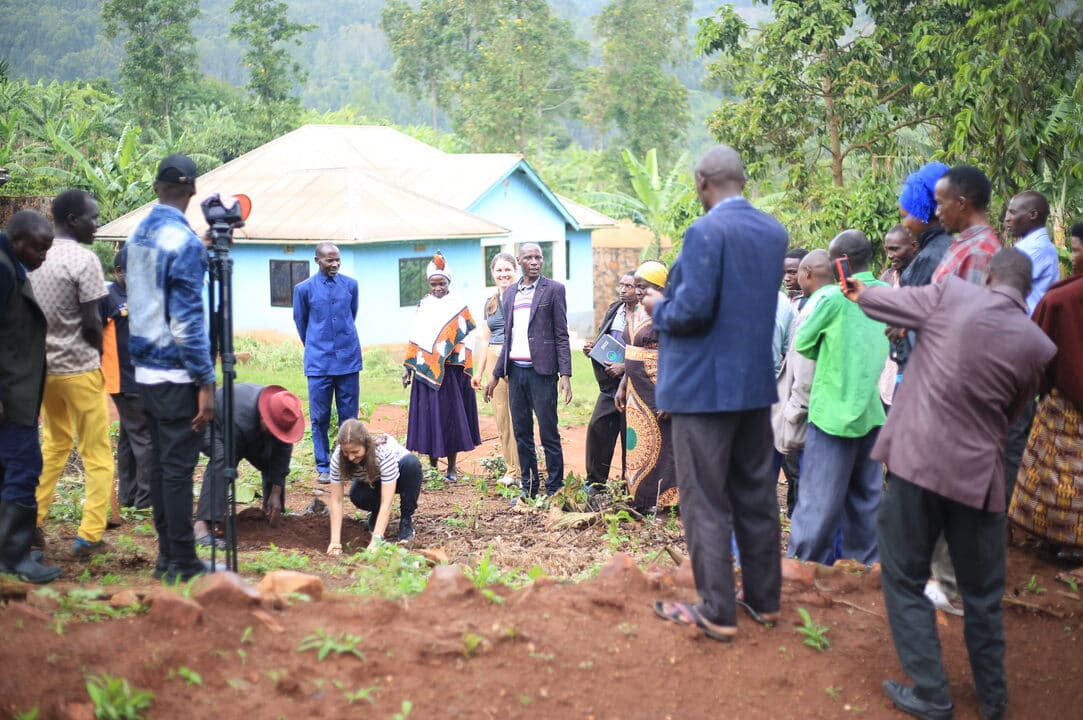
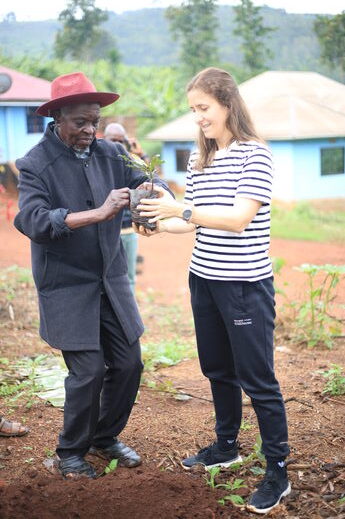
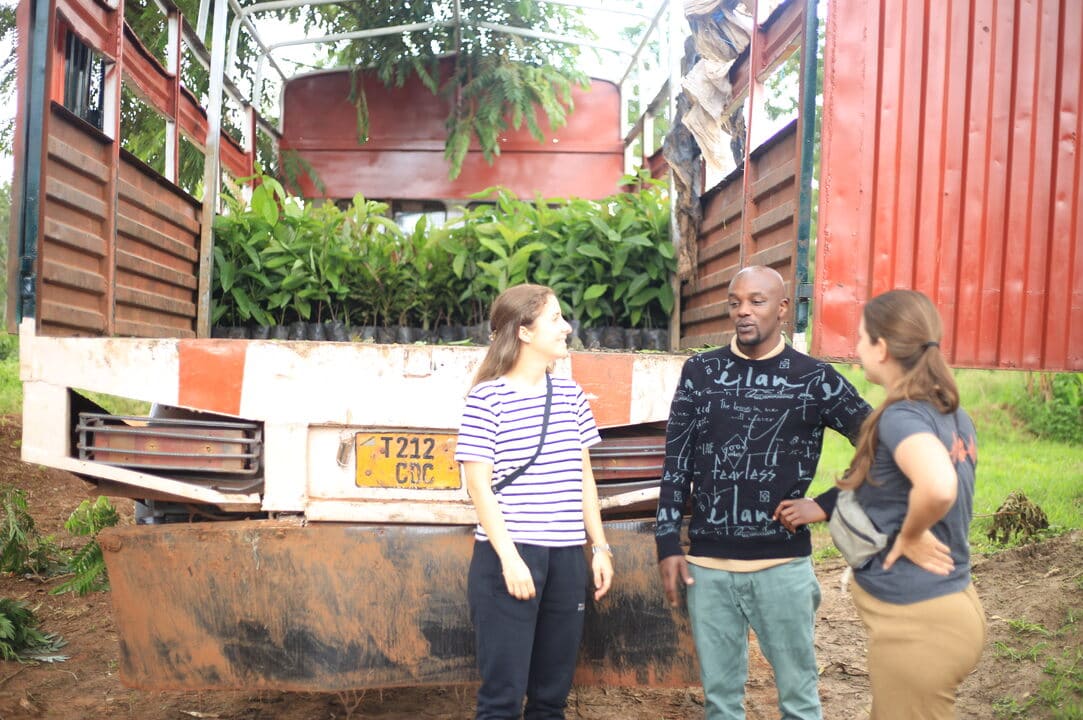
To address these underlying issues and build long-term capacity within the supply chain, the project invested in training and infrastructure that supported sustainable agricultural practices. MCS provided farmers with hands-on instruction in soil sampling, record keeping and agroforestry techniques, as well as GAP, including mulching, stamping and pruning. The project established a nursery with a capacity of approximately 400,000 seedlings to expand agroforestry systems, contributing to long-term carbon sequestration and providing shade and microclimate benefits for coffee cultivation. The seedlings also support diversification of farm-level incomes by integrating fruit trees and other complementary crops. These efforts strengthened local technical knowledge and laid the foundation for continued environmental stewardship.
The Results
By 2024, the coffee supply chain achieved a 22.4% reduction in GHG emissions compared to the 2021 baseline, surpassing the project’s initial targets. These reductions were largely due to more efficient use of organic fertilisers and improvements in transportation and packaging. At the farm level, emissions dropped from nearly 200 kg CO₂eq to 134 kg CO₂eq per tonne of coffee cherries. Across the whole supply chain, the carbon footprint reduced to 0.376 tonnes CO₂eq per tonne of green coffee—one of the lowest recorded globally for Robusta.
To ensure broad dissemination and practical uptake of project outcomes, MCS and its partners organised multi-stakeholder workshops that brought together participants from Tanzania and neighbouring countries. Additionally, a sustainability curriculum focused on climate-smart coffee farming was developed, tested and formally handed over to KDCU. This handover ensured ongoing knowledge transfer and supports the continued application of climate mitigation strategies.
Project results were also shared at various online and in-person events, attracting stakeholders interested in GHG accounting, emission-reduction strategies and the 4C Carbon Footprint Add-on.