Background
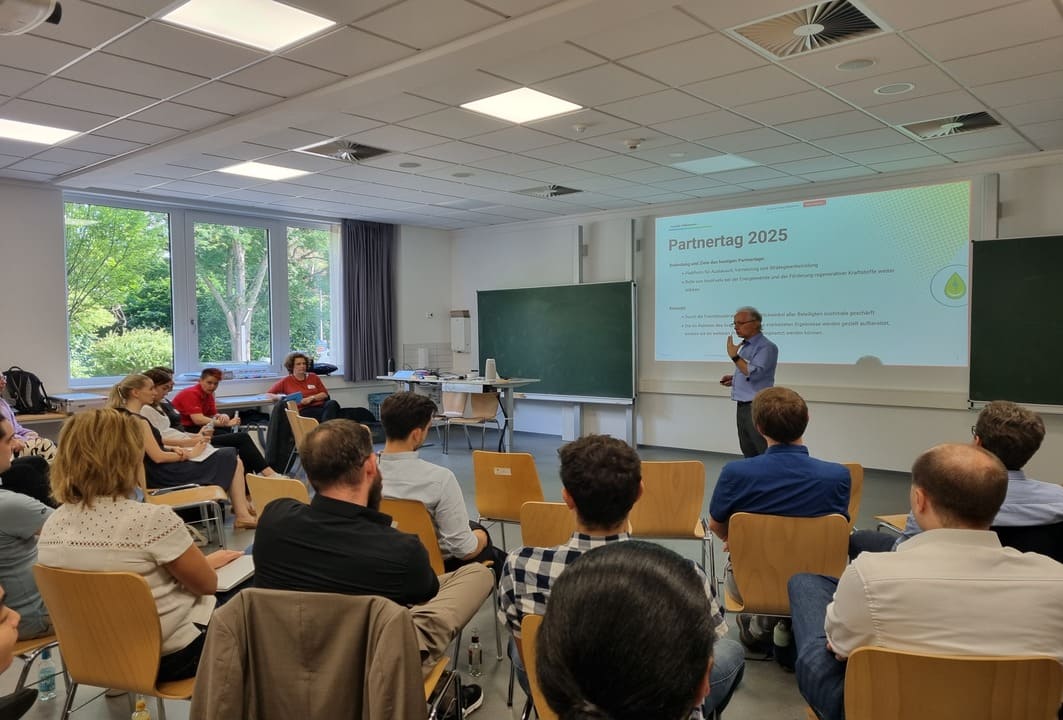
InnoFuels is a large-scale German innovation project aimed at accelerating the deployment of renewable fuels—particularly electricity-based fuels and advanced biofuels—as part of the country’s broader energy transition. The project is currently in its active development and implementation phase, focusing on research coordination, market analysis, regulatory mapping, and stakeholder engagement. It operates through multiple innovation priorities, each addressing key aspects such as fuel production technologies, sustainability certification, logistics and infrastructure, sector-specific applications, and regulatory frameworks.
The initiative supports Germany’s climate goals by targeting sectors where direct electrification is difficult, including aviation, shipping, rail freight, and legacy vehicle fleets. These sectors, along with fuel producers, infrastructure operators, policymakers, and regulators, benefit from science-based guidance on scaling alternative fuels.
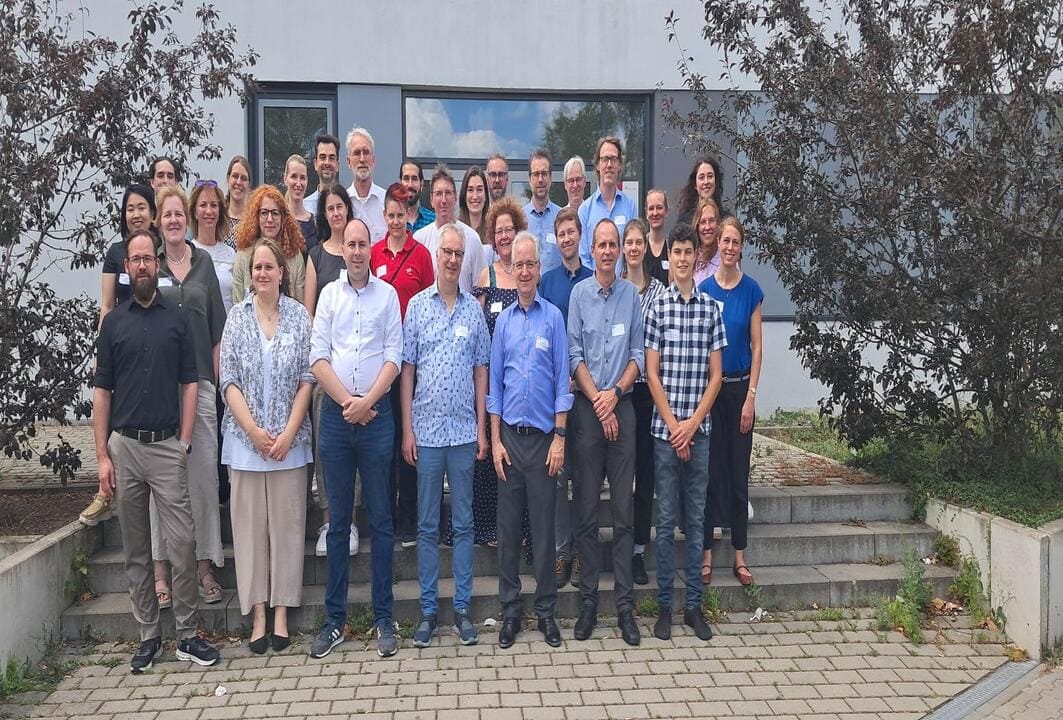
The project is funded by the Federal Ministry for Digital and Transport (BMDV), coordinated by NOW GmbH and supported by VDI/VDE Innovation + Technik GmbH and the Agency for Renewable Resources (FNR). The consortium includes seven research institutes, 11 companies and associations and 2 state ministries. To ensure scientific rigor and policy relevance, InnoFuels relies on strong coordination between research institutions and sustainability experts. The DBFZ (Deutsches Biomasseforschungszentrum) is part of the Innovation Focus Area (ISP) sustainability. It serves as the scientific coordinator, overseeing research activities and providing evidence-based input across all innovation areas.
The Challenge
Germany’s transport sector remains heavily dependent on fossil fuels. While electric vehicles are gaining traction in passenger transport, many segments—such as long-distance trucking, aviation, maritime transport, and existing combustion engine fleets—cannot easily switch to electricity. These sectors require low-carbon fuels that are compatible with current infrastructure.
Despite the potential of renewable electricity and advanced biofuels, their development faces significant barriers: unclear regulations, high production costs, limited supply chains, and a lack of investment certainty. Reliable data and guidance are needed to scale these fuels sustainably and cost-effectively. Without them, Germany risks missing its climate targets, especially in transport.
Our Solutions
InnoFuels brings together experts from science, business, and government to identify strategies for overcoming regulatory, technical, and market barriers to renewable fuel deployment. As a key partner, Meo Carbon Solutions (MCS) contributes expertise in sustainability certification, policy analysis, and GHG emission calculations. MCS helps ensure that renewable fuels meet environmental standards and are implemented effectively, guiding sustainable market development and aligning project outcomes with national and EU climate goals.
Our Approach
The project’s structured, cross-sectoral setup includes seven Innovation Focus Areas (ISPs) that span the full renewable fuel value chain—from production and logistics to applications in aviation, shipping, and road/rail transport. A central plenum enables transparent, criteria-based evaluation of technologies and pathways, ensuring alignment with sustainability and regulatory goals. This modular and integrated design avoids siloed development and fosters coordinated innovation.
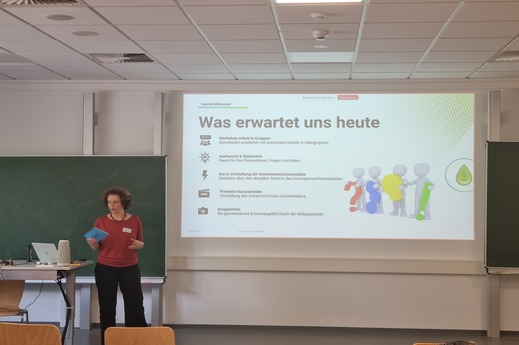
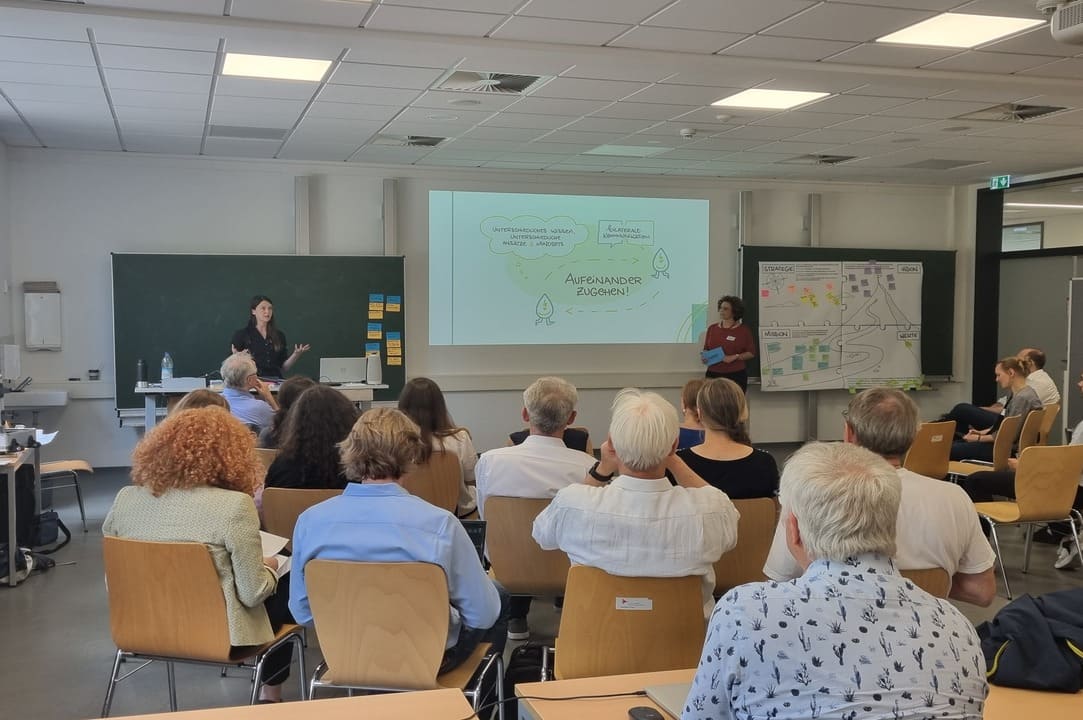
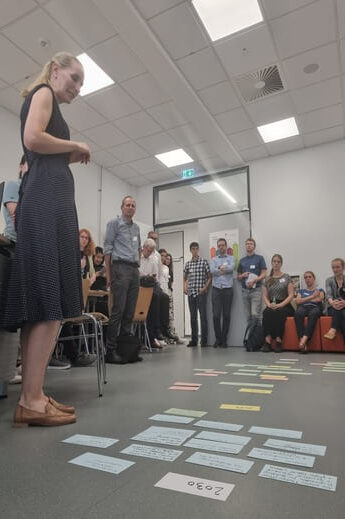
MCS plays a central role in embedding sustainability and regulatory compliance throughout all ISPs by providing technical input on certification requirements under the Renewable Energy Directive (RED). MCS also supports regulatory mapping and policy analysis by monitoring EU and international developments such as Fit for 55, ReFuelEU Aviation and FuelEU Maritime, helping reduce uncertainty and enable investment. Additionally, MCS contributes to stakeholder engagement and knowledge transfer by designing expert workshops and training formats that connect actors across the value chain and ensure clear communication of sustainability and certification requirements.
The Results
HORTICERT has quickly emerged as a transformative system for the growing media industry:
- Regular certification began in 2024, with 26 certificates already issued across five countries by February 2026.
- The system now provides a credible sustainability benchmark for all major peat substitutes, including green waste compost, wood fibers, bark humus and coconut‑based products.
- Through the alignment and recognition of the Growing Media Europe (GME) GHG Guidance, companies can now certify their quantified climate benefits, particularly the GHG savings of peat-free and peat‑reduced substrates.
- The HORTICERT Seal—available on consumer products such as potting soils at leading retailers—enables transparent communication of sustainability claims to consumers. It confirms sustainable production practices and verifiable content of certified peat substitutes.
- Producers certified under HORTICERT report increased market acceptance and improved transparency across their supply chains. Retailers highlight the system as essential for meeting their sustainability commitments and advancing peat‑free product portfolios.
Ultimately, HORTICERT strengthens the entire sector’s transition toward a more sustainable, transparent and climate-conscious growing media industry—providing measurable environmental benefits and supporting responsible sourcing practices worldwide.