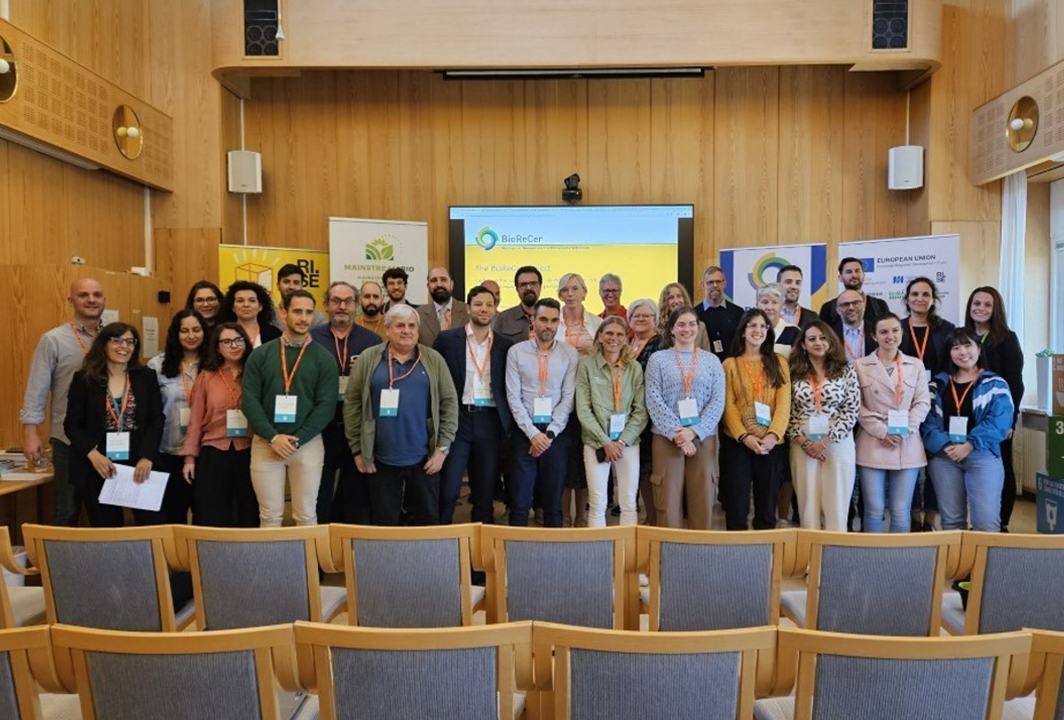
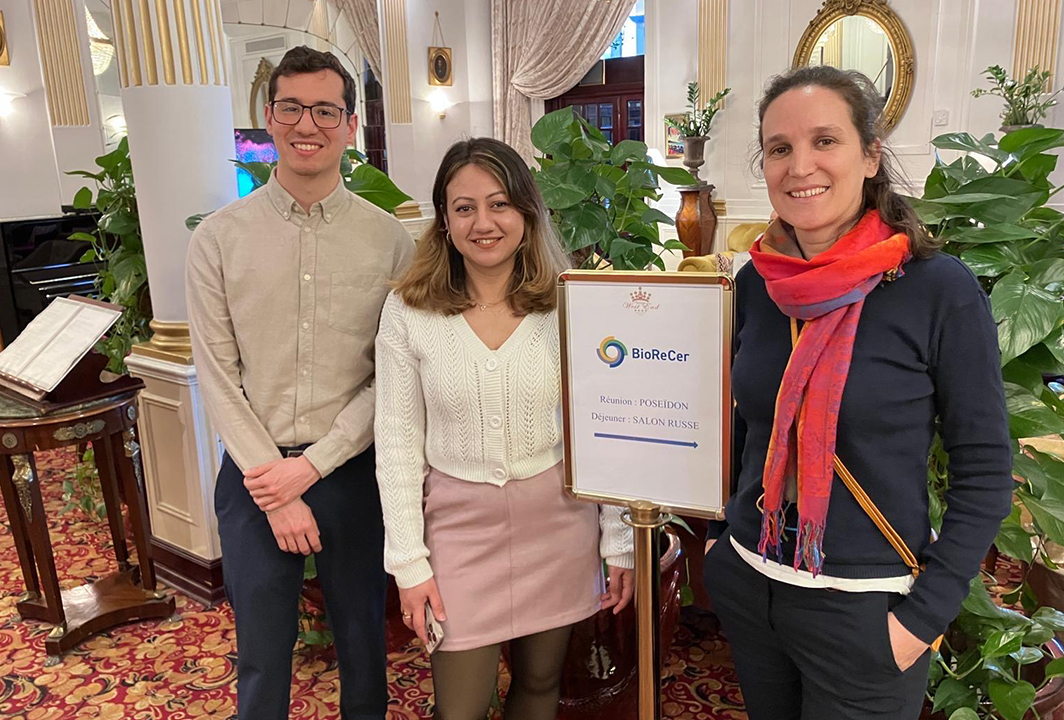
Three years ago, we set out to rethink how biological resources are sourced in the EU through the Horizon Europe BioReCer project. Now that we have come to an end, it’s time to reflect:
How did the project contribute to shaping the European bioeconomy?
The answer lies in the tools, frameworks and collaborations that the BioReCer consortium has built to support a more sustainable European bioeconomy. The results of this project will continue to inform future work in creating a more sustainable European bioeconomy.
Here are the top seven ways BioReCer Project shaped the European bioeconomy:
1: What was BioReCer’s aim?
To support bio-based industries with a framework assessing sustainability, circularity & traceability of biological feedstocks that can complement existing certification schemes.
2. How were sustainability & circularity assessed?
The BioReCer Assessment Framework defines clear criteria & requirements to evaluate environmental sustainability & circularity across biological resource supply chains.
3. How did BioReCer improve traceability & certification readiness?
The BioReCer ICT Tool (BIT) enables biogenic feedstock tracking & traceability & offers sustainability self-assessments to help biobased industries prepare for certification.
4. How were project results translated into practical application?
With a practical guidance document that offers audit tools & support for biobased industries & existing certification schemes to integrate & evaluate environmental & circularity requirements.
5. How did the project support collaboration across the bioeconomy?
By establishing the Biological Resources Stakeholder Platform (BRSP)— a living-lab ecosystem that unites 200+ value-chain actors from over 30 countries across bio-based industries.
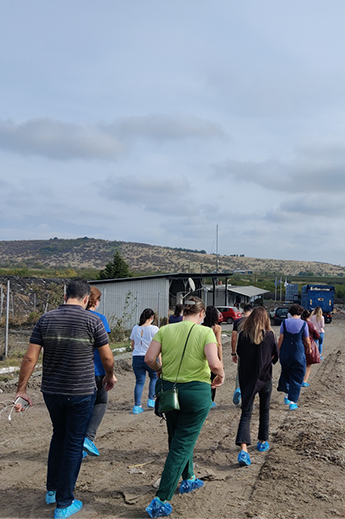
6. How were the tools & frameworks validated in real-world conditions?
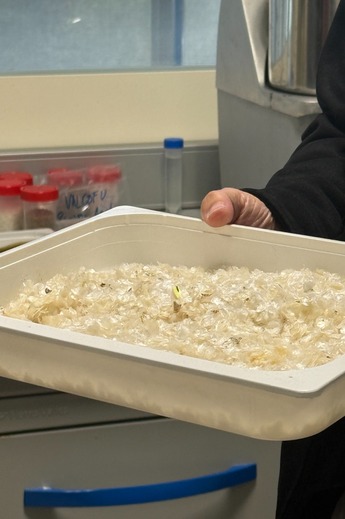
Through case studies in agriculture, forestry, fisheries & wastewater sectors in Greece, Sweden, Spain & Italy.
7. How did the project contribute to EU-level policy discussions?
By publishing a policy brief outlining how EU policies can shape the valorisation & certification of biogenic waste & by-products.
We would like to extend our heartfelt thanks to our consortium partners for their invaluable commitment to this project. Their diverse expertise from policy, science, and industry has been instrumental in our success: Cetaqua – Water Technology Centre, EGM, SPRING – Italian Circular Bioeconomy Cluster, Unitelma Sapienza, Universidad de Santiago de Compostela, UNI Ente Italiano di Normazione, RISE Research Institutes of Sweden, ANFACO CECOPESCA, Università Politecnica delle Marche, nova-Institut GmbH, Gruppo CAP, Centre for Research & Technology Hellas (CERTH), Cittadinanzattiva APS, euradia, Brunel University of London, and the European Research Executive Agency (REA).
As BioReCer comes to a close, we remain open to collaborating on future bioeconomy initiatives and projects across research, policy and industry.