
Life Cycle Assessment of Palm-Derived SAF and RD in Colombia
Background
The World Bank Group (WBG) commissioned a life cycle assessment (LCA) of sustainable aviation fuel (SAF) and renewable diesel (RD) production chains in Colombia. The aim was to build the necessary knowledge to support Colombia in kick-starting SAF production and facilitating entry into the international biofuel market, while understanding the environmental, economic, social and political implications of oil palm development.
Meo Carbon Solutions (MCS) managed the project and collaborated with International Sustainability and Carbon Certification (ISCC) and Global Risk Assessment Services (GRAS).
The Challenge
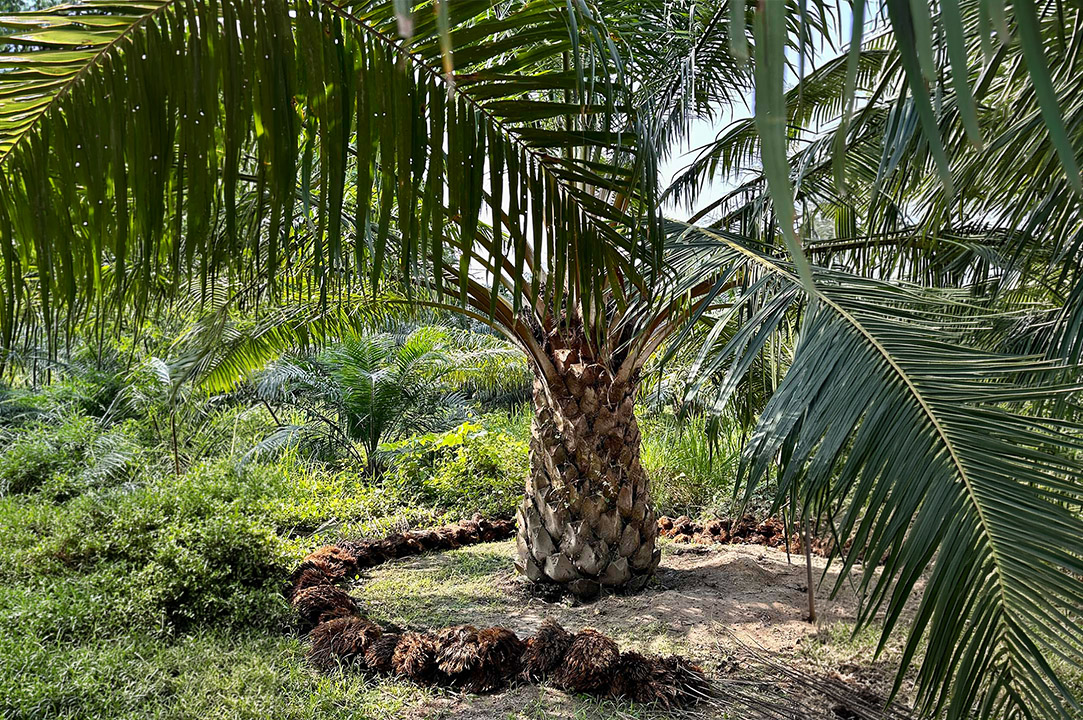
Colombia is under pressure to adopt more sustainable and climate-resilient agricultural practices, particularly in palm oil-producing regions like the Orinoquía. As one of Latin America’s largest palm oil producers, the country is positioned to benefit from emerging opportunities in international low-carbon markets, including SAF. Identifying viable pathways for low-emission biofuel production remains essential to aligning Colombia’s agricultural sector with national climate goals and international market access. However, meeting global sustainability standards requires updated carbon inventories, robust LCAs and clear technical guidance on sustainable production.
Our Solutions
MCS supported Colombia’s efforts to align palm-based biofuel production with international sustainability frameworks by delivering technical and methodological guidance. By applying internationally recognized standards—EU RED II, CORSIA and ISO-based LCA—MCS helped build a foundation for assessing the environmental performance of SAF and RD pathways. The integration of spatial analysis and hotspot mapping enabled strategic planning in high-potential regions, while stakeholder workshops ensured that the findings were grounded in local realities and validated by key actors.


Our Approach
MCS led the technical implementation of the project by applying three core methodological frameworks:
- LCAs using ISO standards and the ILCD Handbook.
- Greenhouse gas (GHG) calculations as defined by the EU Renewable Energy Directive (RED II), which provided the legal framework and sustainability criteria for biofuels in the EU and required certified GHG savings for market eligibility.
- Sustainability criteria from the Carbon Offsetting and Reduction Scheme for International Aviation (CORSIA), which complemented RED II by setting sustainability standards for aviation fuels, with a focus on life cycle emissions and responsible feedstock sourcing. MCS conducted
The project focused on three main areas:
- Conducting LCA and GHG analyses for SAF and RD derived from Colombian palm oil.
Following the LCA analysis, the potential for palm-oil-based SAF (HEFA) has been unlocked. Colombia has begun processing the request for the ILUC value for palm-based HEFA produced in Colombia. This value can only be calculated by International Civil Aviation Organization (ICAO) and is necessary for certification. ICAO calculates ILUC values only for promising and well-documented feedstocks and pathways (as was the case for Colombian palm-oil-based HEFA.
- Assessing land-use change and associated emissions.
The Land-use change assessment conducted by MCS showed a low percentage of oil palm-driven deforestation in Colombia, which supports the sustainability of Colombian palm oil compared with competitors from Malaysia and Indonesia. Colombia has already started producing SAF and has some companies with low ILUC certified under CORSIA.
- Estimating the carbon balance of three palm-based production pathways—HEFA, Fischer-Tropsch and co-processing.
To support regional planning and identify areas with high production potential, MCS integrated spatial analysis and hotspot mapping into the methodology. These tools helped pinpoint regions where sustainable palm-based fuel production could be most effectively scaled.
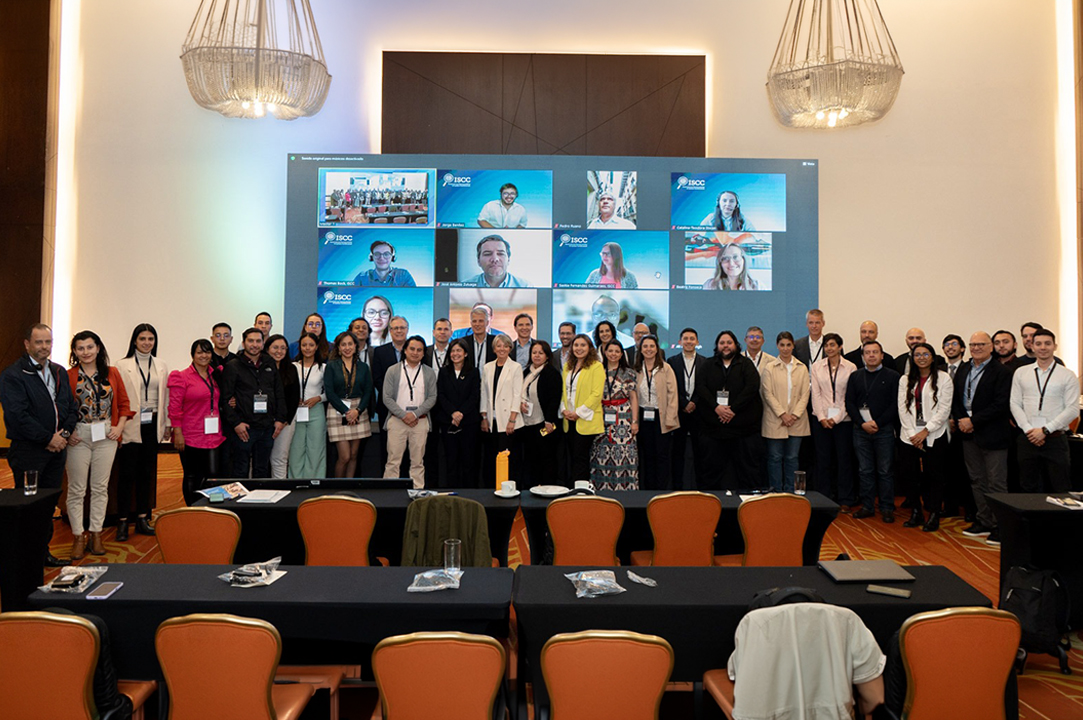
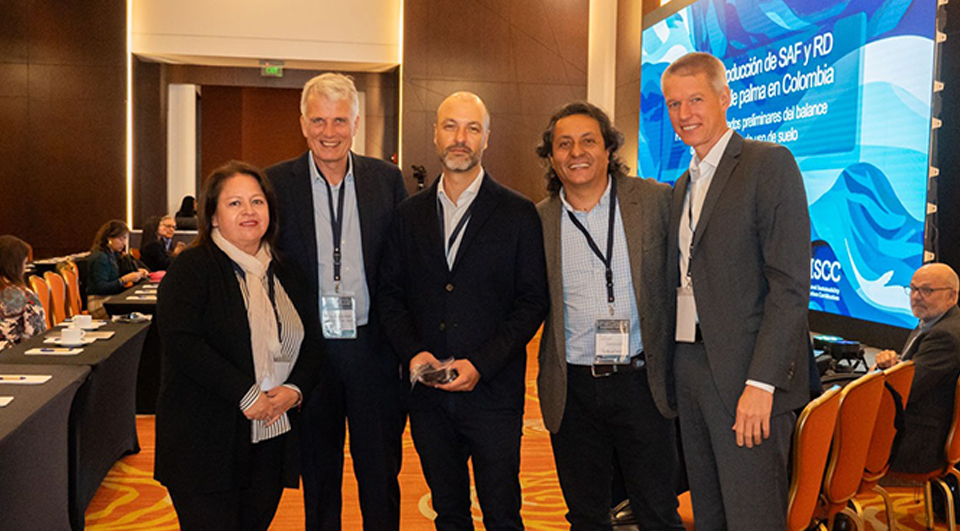
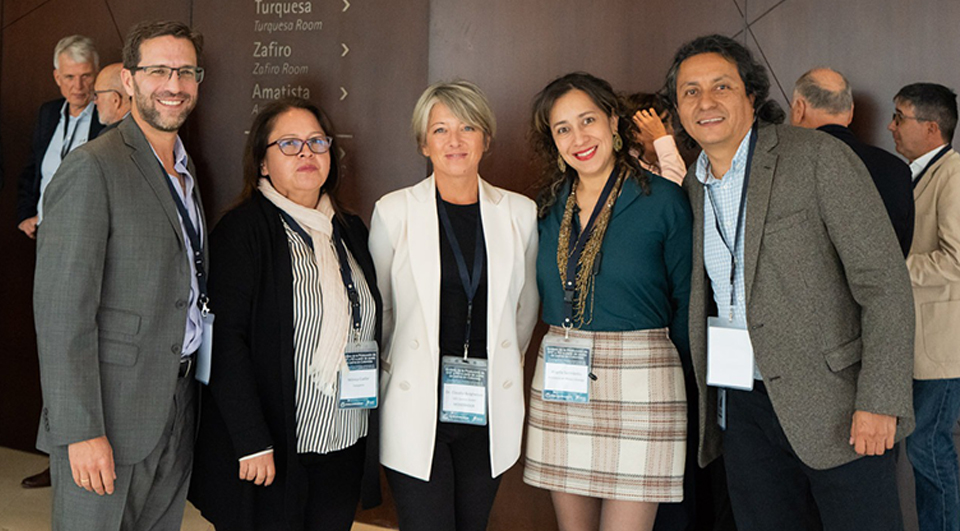
To ensure local relevance and alignment, MCS organized a series of workshops with key actors—including Colombian ministries, Fedepalma, Cenipalma, palm oil producers and domestic and international airlines. A total of 149 participants joined across two workshops (77 and 72, respectively), representing approximately 70 institutions. MCS used these sessions to present interim findings, validate data inputs and foster collaboration across sectors. This participatory approach ensured that the analysis reflected on-the-ground realities while aligning with international sustainability frameworks.
The Results
The project delivered a comprehensive life cycle analysis of SAF and RD produced from Colombian palm oil—evaluating environmental impacts, GHG reductions and alignment with international sustainability requirements. These results enable Colombia to benchmark its biofuel pathways and assess their potential compliance with global market frameworks, especially under CORSIA.
Additionally, the spatial analysis and hotspot mapping conducted by MCS provided insights for targeted interventions, infrastructure planning and strategic development in regions with high potential. These findings offer a foundation for evidence-based decision-making and investment prioritization in the palm oil sector.
The final report—announced by WBG with support from MCS at the 21st International Oil Palm Conference in Cartagena in September 2025—will consolidate the project’s findings and serve as a reference for future policy and development efforts.